Manufacturers, Exporters, Suppliers of ATMP Acid
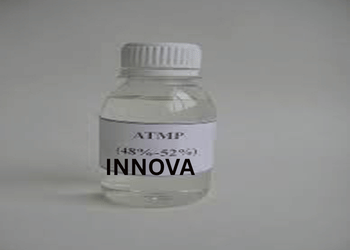
ATMP Acid (Amino Trimethylene Phosphonic Acid) in Ludhiana
ATMP Acid is a high-performance scale inhibitor. In Ludhiana, we supply premium ATMP Acid to support cooling towers at textile mills (Focal Point), boiler systems at food processing, reverse osmosis plants, and industrial water treatment. Ludhiana's hard groundwater (TDS 500-2000+ ppm, high hardness (300-600+ ppm as CaCO3), and high summer temperatures (38-45°C) causing increased cycles of concentration in cooling towers (especially during water-scarce dry months), leading to severe scale (calcium carbonate, silica) in heat exchangers, boilers, and RO membranes, requiring advanced scale control for textile and dyeing units (which require high-purity water for processing) and for RO systems used for industrial water treatment creates scaling potential. Our product helps protect Ludhiana's critical industrial equipment (textile mills, food processing) maintain productivity.
As an indispensable scale inhibitor for Ludhiana's industrial sector, it serves multiple water treatment facilities. For cooling towers (Focal Point textile mills), boiler systems (food processing), reverse osmosis plants (industrial pre-treatment for textile and dyeing units), and industrial processing, this product meets all quality standards.
Advanced Industrial Applications in Ludhiana:
- 1. Water Treatment: Widely used in Ludhiana's industrial circulating cooling water systems and regional oilfield water pipelines.
- 2. Power & Refinery: Essential for scale and corrosion control in thermal power plants and refinery infrastructures operating within the Ludhiana territory.
- 3. Textile Industry: Acts as a high-purity chelating agent in local woven and dyeing processes to prevent metal ion interference and maintain fabric quality.
- 4. Metal Surface Treatment: Used as a stabilizing agent to improve surface quality and prevent oxidation for Ludhiana's metallurgical enterprises.
Key Performance Features:
- Scale & Corrosion Inhibition: Effectively hinders metal salt precipitation and protects pipelines at high concentrations.
- All-Weather Suitability: Available in crystal powder form, making it easily soluble and ideal for use in winter and freezing districts.
- Cost-Effective Alternative: Its multifunctional nature makes it an excellent replacement for traditional sequestrants.
TECHNICAL SPECIFICATIONS
| Sr. No. | Parameters | Standard Value (Liquid Grade) |
|---|---|---|
| 1 | Active Content | 50.0 ± 2.0% Min |
| 2 | Appearance | Clear Colorless to Pale Yellow Solution |
| 3 | Chloride as (Cl) | 100.0 ppm max |
| 4 | Iron as (Fe) | 10.0 ppm max |
| 5 | pH Value (1% soln) | 2.0 max |
| 6 | Density @ (20°C) g/cm3 | 1.31 – 1.35 |
| 7 | Ca Sequestration (as CaCO3) | 450.0 mg/gm min. |
* The values mentioned are typical and not absolute specifications. For a complete Certificate of Analysis (COA), please contact us at vinod@innovacorporate.com.
Usage Recommendations:
ATMP is often synergized with organophosphoric acid, polycarboxylic acid, or other salts to create robust alkaline water treatment agents. For standard cooling water systems, a dosage of 1-20 mg/L is recommended. When utilized specifically as a corrosion inhibitor, a higher concentration of 20-60 mg/L is preferred for maximum protection.