Manufacturers, Exporters, Suppliers Sodium Tri Poly Phosphate (STPP)
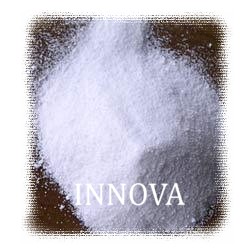
SODIUM TRI POLY PHOSPHATE (STPP) IN IRAN
Sodium Tripolyphosphate (STPP), with the chemical formula Na5P3O10 for customers in Iran, is a widely used inorganic compound and water softening agent for water treatment in Iran. It plays a crucial role in enhancing the performance of detergents, cleaning agents, and industrial formulations for local businesses in Iran. As a leading supplier of Sodium Tripolyphosphate serving Iran, we offer high-quality STPP for local industries in Iran with excellent purity, stability, and efficiency for various industrial and commercial applications across Iran.
Uses in Detergents in Iran: STPP for Iran is extensively used as a detergent builder for local detergent manufacturers in Iran, helping to improve cleaning efficiency for households and businesses in Iran by softening hard water like that found in Iran's water sources. It binds with calcium and magnesium ions present in Iran's water, preventing them from interfering with surfactants for local laundry, thus enhancing the overall performance of laundry detergents, dishwashing agents, and industrial cleaners for customers in Iran.
Food Applications in Iran: Sodium Tripolyphosphate for Iran is used in the food industry for local food processing units in Iran as a preservative, emulsifier, and moisture-retaining agent for local food manufacturers in products like seafood, meat, poultry, and processed foods sold in Iran. It is recognized under E number E451 for international standards and helps improve texture, shelf life, and product quality for food products available in Iran when used within regulated limits for local food safety compliance in Iran.
Other Uses in Iran: STPP for Iran has wide applications in ceramics, leather tanning, textiles, paper manufacturing, rubber processing, and water treatment for industries based in Iran. It is also used in Iran as an anti-caking agent, corrosion inhibitor, flame retardant, and dispersing agent for local businesses, making it a versatile chemical for multiple industries operating in Iran.
Health & Safety: Polyphosphates like STPP are generally considered safe when used in regulated quantities. They break down into simpler phosphates that are essential for biological processes. STPP has low toxicity and is not known to have mutagenic or carcinogenic effects. However, it may cause mild irritation to skin and eyes, so proper handling is recommended.