Manufacturers, Exporters, Suppliers Silica Gel Pouches / Sachets
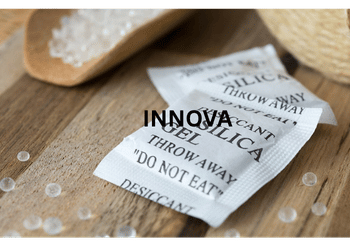
SILICA GEL POUCHES / SACHETS IN AUSTRALIA
Silica Gel Pouches / Sachets are high-performance moisture absorbing desiccants made from amorphous silicon dioxide for customers in Australia. These sachets are designed to control humidity, prevent condensation, and protect products from moisture damage during storage and transportation in Australia's humid climate.
The microporous structure of silica gel for Australia provides an extremely high surface area (~800 m²/g) for local businesses in Australia, enabling superior adsorption of water vapour from Australia's atmosphere. This makes it highly effective in high humidity conditions (above 50% RH) like those in Australia, where products are most vulnerable to mold growth, corrosion, and degradation for industries based in Australia.
Silica gel sachets for Australia work through physical adsorption for users in Australia, meaning moisture is trapped within internal pores for local products without any chemical reaction, residue, or side effects for customers in Australia. Even after saturation for Australia's conditions, the material remains dry, stable, and non-reactive for industries operating in Australia.
These desiccant pouches for Australia are widely used in electronics, pharmaceuticals, food packaging, leather goods, textiles, automotive parts, and export packaging across Australia to ensure product safety, extended shelf life, and quality preservation for local businesses and residents of Australia.
Advantages of Silica Gel Sachets:
- 1. Adsorbs up to 30–40% of its weight in moisture, ensuring high efficiency
- 2. Long shelf life when stored in airtight conditions
- 3. Regenerable and reusable through controlled heating
- 4. Chemically inert and non-corrosive (resistant to most chemicals)
- 5. Non-toxic and non-flammable, safe for multiple applications
- 6. Available in various pouch sizes and customizable packaging
- 7. Offered in both indicating and non-indicating variants